


Wellness trends come and go, but sauna sessions and ice baths have stood the test of time. From Nordic traditions to modern recovery centres, hot and cold therapies are now part of many people’s fitness and self-care routines.
Used correctly, they can support recovery, circulation, and mental resilience. Used carelessly, they can place serious strain on your body.
So how do they really work, who are they for, and how can you use them safely?
Let’s break it down.
The Benefits and Risks of Sauna Therapy
Stepping into a sauna exposes your body to high heat, usually between 70°C and 100°C. This raises your core temperature and triggers several natural responses.
How Saunas Support Your Body
When you sit in a sauna, your blood vessels widen and circulation increases. This helps deliver oxygen and nutrients to your muscles and tissues. Regular sauna use may help with:
- Muscle relaxation and reduced stiffness
- Improved blood flow
- Stress reduction
- Better sleep quality
- Temporary relief from joint and muscle discomfort
- Deep relaxation through sweating
Many people find sauna time helps them mentally switch off, especially after long or demanding days.
Possible Risks of Sauna Use
Despite the benefits, saunas are not suitable for everyone. Potential risks include:
- Dehydration
- Dizziness or nausea
- Low blood pressure
- Heart strain
- Worsening of respiratory symptoms in some people
Saunas should be avoided or used only with medical advice if you are pregnant, have heart conditions, high blood pressure, or chronic lung disease.
Alcohol and sauna sessions should never be mixed. Together, they significantly increase the risk of dehydration and fainting.
Safe Sauna Guidelines
For most healthy adults:
- Start with 5 to 10 minutes if you are new
- Build up gradually to 15 to 20 minutes
- Drink water before and after
- Leave immediately if you feel light-headed
- Never force yourself to push through discomfort
Comfort and safety always come first.
Ice Baths and Cold Plunges: Benefits and Risks
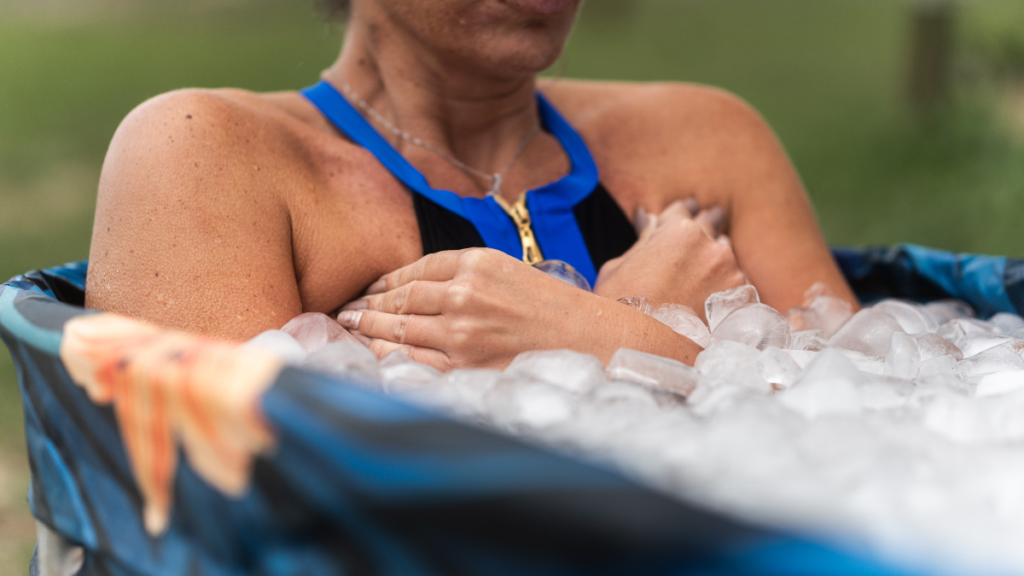
Ice baths involve immersing your body in cold water, usually between 5°C and 15°C, for short periods.
They are especially popular among athletes and high-intensity trainers.
How Cold Therapy Helps Recovery
Cold exposure causes blood vessels to constrict, reducing swelling and inflammation. When you warm up afterwards, circulation increases again.
This process may help with:
- Reduced muscle soreness
- Faster recovery after workouts
- Lower inflammation
- Improved mental resilience
- Temporary pain relief
- Increased alertness
Many people also report a noticeable mood boost after cold exposure due to the release of adrenaline and endorphins.
Risks of Ice Baths
Cold immersion is intense and can be dangerous if misused. Possible risks include:
- Cold shock and rapid breathing
- Increased blood pressure
- Fainting
- Hypothermia
- Heart rhythm disturbances
People with heart conditions, circulation problems, asthma, or anxiety disorders should be especially cautious.
Never enter an ice bath alone if you are inexperienced.
Safe Cold Plunge Guidelines
If you are new to cold therapy:
- Start with cool water rather than ice-cold
- Begin with 30 to 60 seconds
- Build up gradually to 2 or 3 minutes
- Focus on slow, controlled breathing
- Exit immediately if you feel unwell
Cold therapy should feel challenging but controlled, not overwhelming.
Combining Sauna and Ice Bath: Contrast Therapy
Using heat and cold together is known as contrast therapy. This method alternates between sauna sessions and cold plunges to stimulate circulation and recovery.
Why People Use Contrast Therapy
Supporters believe it creates a vascular workout by repeatedly expanding and contracting blood vessels.
Possible benefits include:
- Enhanced circulation
- Faster muscle recovery
- Reduced inflammation
- Improved nervous system balance
- Greater stress resilience
Many athletes use this method after intense training, while others enjoy it for general wellbeing.
The Correct Order: Heat First, Then Cold
The safest and most effective sequence is:
- Sauna first
- Cold plunge second
- Rest and rehydrate
- Repeat if desired
Starting with heat relaxes muscles and improves circulation. Following the cold helps calm inflammation. Doing it the other way around can shock your system unnecessarily.
A Simple Contrast Routine
For beginners:
- Sauna: 10 to 15 minutes
- Cold plunge: 30 seconds to 2 minutes
- Rest: 5 minutes
- Repeat: 2 to 3 cycles
Always listen to your body and adjust as needed.
Who Should Avoid Hot and Cold Therapy?
Sauna and ice bath therapy is not suitable for everyone. You should consult a healthcare professional first if you have:
- Heart disease
- High blood pressure
- Respiratory conditions
- Circulation disorders
- Diabetes complications
- Pregnancy
- Recent illness or surgery
If you feel unsure, professional advice is always the safest choice.
Hydration and Recovery: The Overlooked Factor
One of the most important aspects of hot and cold therapy is hydration. Both sweating and cold exposure affect fluid balance. To stay safe:
- Drink water before sessions
- Sip between cycles
- Rehydrate afterwards
- Replace electrolytes if needed
Good hydration improves results and reduces side effects.
Frequently Asked Questions
How often should I use saunas and ice baths?
For most people, 2 to 4 sessions per week is enough. Daily use is possible for experienced users, but rest days are still important.
Is it better to use a sauna or ice bath after exercise?
Both can help. Saunas relax muscles and promote circulation, while ice baths reduce inflammation. Your choice depends on how your body responds.
How long should an ice bath last?
Beginners should start with 30 to 60 seconds. Most experienced users stay between 1 and 3 minutes.
Can I do contrast therapy at home?
Yes, if you have access to a sauna and cold shower or plunge. Cold showers can be a practical alternative for beginners.
Does contrast therapy help with stress?
Yes. Alternating temperatures can regulate the nervous system and support relaxation when done regularly and safely.
Should beginners try both at once?
It is better to get comfortable with sauna and cold exposure separately before combining them.