
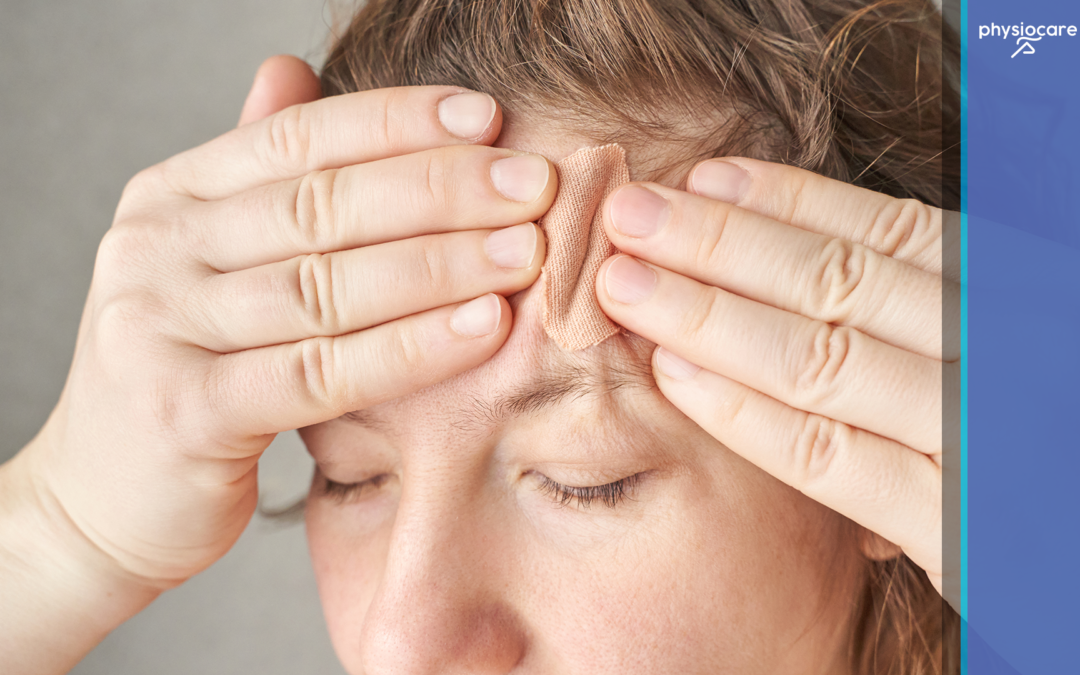
Headaches and dizziness are two of the most common symptoms people experience, yet they are often misunderstood. In many cases, these symptoms are not caused by a single issue, but by a combination of muscular tension and dysfunction in the neck.
At Physiocare, tension-type headaches and cervicogenic dizziness are approached through a clinical understanding of how the cervical spine, muscles, and nervous system interact. Identifying the root cause is essential for effective and lasting relief.
Key Takeaways
- Tension-type headaches are commonly linked to muscle tension in the neck and shoulders
- Cervicogenic dizziness originates from dysfunction in the cervical spine
- Both conditions can be interconnected and influenced by posture and movement
- Accurate assessment is essential to differentiate from neurological causes
- Physiotherapy focuses on restoring movement, reducing tension, and improving control
What Are Tension-Type Headaches?
Tension-type headaches are the most common form of headache. They are typically described as a dull, pressure-like pain, often felt on both sides of the head.
They are frequently associated with:
- Muscle tightness in the neck and shoulders
- Prolonged sitting or sustained postures
- Stress and physical fatigue
How Muscle Tension Contributes to Headaches
The muscles around the cervical spine can become overactive or fatigued due to sustained positions or repetitive strain.
This can lead to:
- Increased sensitivity in muscle tissue
- Reduced blood flow
- Pain that radiates toward the head
The result is a headache that feels constant, tight, and difficult to localise to one exact point.
What Is Cervicogenic Dizziness?
Cervicogenic dizziness is a condition where dizziness arises from dysfunction in the neck rather than the inner ear or brain.
It is often described as:
- A feeling of unsteadiness
- Lightheadedness rather than spinning
- Symptoms that worsen with neck movement
The Role of the Cervical Spine
The cervical spine plays a key role in providing the brain with information about head position and movement.
When this system is disrupted, due to:
- Joint stiffness
- Muscle imbalance
- Reduced coordination
The brain may receive inaccurate signals, leading to a sensation of dizziness.
The Link Between Headaches and Cervicogenic Dizziness
Tension-type headaches and cervicogenic dizziness often coexist because they share similar underlying mechanisms.
Both conditions can be influenced by:
- Sustained positions for long – especially forward head position
- Prolonged desk work or screen use
- Muscle tightness and joint restriction in the neck
- Lack of activity and lack of regular exercise
- Deconditioning
Why These Conditions Often Occur Together
When the neck is under constant strain:
- Muscles become tense and overworked
- Joint mobility decreases
- Sensory input to the brain becomes less accurate
This combination can result in both headache pain and dizziness symptoms at the same time.
How Physiotherapy Can Help
Management of these conditions begins with a thorough assessment to rule out more serious causes and confirm a musculoskeletal origin.
At Physiocare, management focuses on addressing the source rather than just the symptoms.
Assessment and Diagnosis
A structured assessment may include:
- Evaluation of neck movement and joint function
- Muscle testing for strength and control
- Any dysfunctions
- Identification of symptom triggers
Management Approach
As physios we may involve:
- Manual therapy to improve joint mobility
- Targeted exercises to restore muscle balance
- Postural correction strategies
- Education on movement and daily habits
The goal is to:
- Reduce muscle tension
- Improve cervical spine function
- Restore accurate movement patterns
- Guide you amd provide education
- Offer you a long term plan for prevention
When to Seek Professional Help
While headaches and dizziness are common, certain signs should not be ignored.
You should seek professional assessment if:
- Symptoms are persistent or worsening
- Dizziness affects balance or daily function
- Headaches are frequent or severe
- Symptoms are linked to neck pain or stiffness
Early assessment allows for more effective management and reduces the risk of long-term issues.
Supporting Long-Term Relief Through Proper Care
Tension-type headaches and cervicogenic dizziness can significantly affect quality of life, but they are often manageable with the right approach.
At Physiocare, the focus is on identifying the underlying cause, improving function, and helping patients regain confidence in their movement.
If you are experiencing ongoing headaches and cervicogenic dizziness, book an assessment with Physiocare to understand the cause and start the right treatment.
FAQs
What is the difference between tension-type headaches and migraines?
Tension-type headaches are usually described as a dull, pressure-like pain on both sides of the head, while migraines are often more severe and may include nausea, sensitivity to light, and throbbing pain.
What causes cervicogenic dizziness?
Cervicogenic dizziness is caused by dysfunction in the cervical spine, affecting how the brain receives information about head position and movement.
Can neck problems cause both headaches and dizziness?
Yes, dysfunction in the neck can contribute to both tension-type headaches and cervicogenic dizziness due to shared muscular and neurological pathways.
Is physiotherapy effective for these conditions?
Yes, physiotherapy can be effective by addressing muscle tension, improving joint mobility, and restoring proper movement patterns.
When should I see a physiotherapist?
If your symptoms are persistent, worsening, or affecting daily activities, it is recommended to seek professional assessment.